
24th World Congress of Psychotherapy Sessions
The 24th World Congress of Psychotherapy will bring together mental-health professionals, researchers, and thought leaders from around the globe for three days of learning, connection, and inspiration. As we prepare for June 2026, this page will gradually unveil the full lineup of sessions and speakers you can look forward to.
Explore our Opening Sessions and get a first look at the voices and themes that will set the tone for an impactful and transformative Congress. More sessions, speaker headshots, and schedule details will be added soon.
Opening Sessions June 4, 2026
World Federation for Psychotherapy-Past, Present, and Future
Moderators:
François Ferrero (Switzerland)
César A. Alfonso, M.D. (USA)
Plenary Speakers:
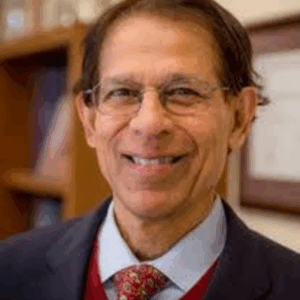 |
Prof. Dilip Jeste (USA), WFP President-Elect, Director, Global Research Network on Social Determinants of Mental Health and Exposomics. Editor-in-Chief of the International Psychogeriatrics. He is Former Senior Associate Dean for Healthy Aging and Senior Care and Distinguished Professor of Psychiatry and Neurosciences at University of California San Diego. Dr. Jeste has been Principal Investigator on a number of research and training grants, mostly from the NIH and VA. His main areas of research include schizophrenia, neuropsychiatric interventions, and healthy aging. He has published 14 books, including “Wiser”, “Positive Psychiatry”, and “Successful Cognitive and Emotional Aging”, over 750 articles in peer-reviewed journals, and 160+ invited book chapters. He is Past President of the American Psychiatric Association (APA), American Association for Geriatric Psychiatry, West Coast College of Biological Psychiatry, and Founding President of International College of Geriatric Psychoneuropharmacology. Dr. Jeste is a member of the National Academy of Medicine and was a member of the NIMH Advisory Council and NIH Council of Councils. He Is Past Editor-in-Chief of The American Journal of Geriatric Psychiatry. He has received Honorary Fellowship from UK’s Royal College of Psychiatrists; and Honorary Professorship from Universidad Peruana Cayetano Heredia, Lima, Peru.
|
 |
Prof. Alma Jimenez (Philippines), WFP Secretary General, Professor of Psychiatry, University of the Philippines. Editor-in-chief of the WFP Newsletter. She is a candidate to become President-elect of WFP from 2026-2029. She is Professor of Psychiatry at the University of the Philippines in Manila and the World Association for Dynamic Psychiatry Regional Representative. She is a past president of the Philippine Psychiatric Association, a diplomate of the Philippine Board of Psychiatry and is a Life Fellow of the Philippine Psychiatric Association. Her areas of interest include cultural adaptations of psychotherapy, psychotherapy and spirituality, psychotherapy education, psychodynamic psychotherapy, and preventing burnout and moral injury and promoting mental health of healthcare workers, trainees and students.
|
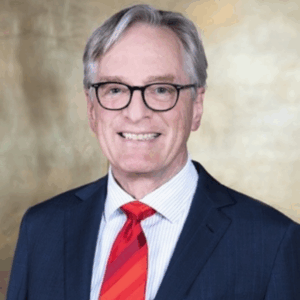 |
Prof. Ulrich Schnyder (Switzerland), WFP Past President and Advisor to the WFP Board of Directors and is a psychiatrist and licensed psychotherapist. He is emeritus professor of psychiatry and psychotherapy at University of Zurich, Switzerland. Until 2018, he was head of the Department of Psychiatry and Psychotherapy at the University Hospital Zurich. His scientific activities are focused on various aspects of traumatic stress research, including epidemiology, neurobiology, psychotherapy and pharmacotherapy for PTSD, resilience to stress, and, more recently, refugee mental health, and the emotional, psychosocial and physical consequences of child maltreatment. Past President of the European Society for Traumatic Stress Studies (ESTSS), the International Federation for Psychotherapy (IFP), and the International Society for Traumatic Stress Studies (ISTSS). In 2013, he received the ESTSS Wolter de Loos Award for Distinguished Contribution to Psychotraumatology in Europe, and in 2016 the ISTSS Lifetime Achievement Award. Honorary Member, International Federation for Psychotherapy (IFP).
|
 |
Stephan Zipfel, MD, is a full professor and the chair of the Department of Psychosomatic Medicine and Psychotherapy at the University of Tübingen in Germany. He is also the vice dean of the medical faculty. He is a leading clinician-scientist in the fields of eating disorders, psychosomatic medicine, and personalized psychotherapy. He directs the Center of Excellence for Eating Disorders (KOMET) and serves as vice speaker of the German Center for Mental Health (DZPG) Tübingen site. Professor Zipfel is also the president of the International College of Psychosomatic Medicine (ICPM) and the editor-in-chief of Psychotherapy and Psychosomatics, the third-highest-ranked journal in psychiatry and psychology. Stephan Zipfel’s academic career spans more than three decades and began with his medical training in Heidelberg and London, UK, as well as postdoctoral research in Sydney, Australia. He has authored over 600 scientific publications and has advanced the understanding and treatment of anorexia nervosa, binge-eating disorder, the psychobiology of eating disorders, and somatoform disorders. Professor Zipfel’s work integrates clinical innovation, translational research, and patient-centered care with a strong emphasis on enhanced psychotherapy and participatory approaches. As dean of the medical school at the University of Tübingen, he is interested in education and has developed the DZPG academy, where he supports the training of early-career scientists and patient participation. His leadership in major national and international research consortia has helped shape the emerging paradigm of precision mental health. He is the recipient of multiple awards, including the 2024 Donald Oken Fellowship of the American Psychosomatic Society. He served as Secretary General of WFP (previously called IFP).
|
From the Frontlines to the Mind: The Hidden Scars of First Responders, Humanitarian Workers and their Families
Plenary Speaker:
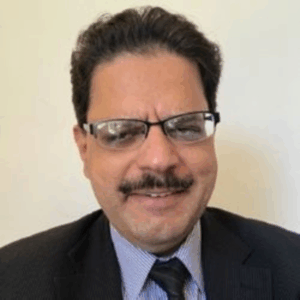 |
Muhammad Sohail Ali, M.D. joined the Critical Incident Stress Management Section (CISMS) in October 2018 as the Regional Stress Counsellor for East and Southern Africa, being promoted to Chief of the Section on 1st April 2022. He has 25 years of experience, including 18 with the United Nations (UNDSS, WHO, DPKO, UNHCR and UNICTR). Dr. Ali has operated as a stress counselor, trainer, and manager in natural disasters such as earthquakes and floods, man-made disasters such as insurgency and terrorism, major organizational changes such as downsizing and liquidation, and conducted more than 200 workshops and training programs, training more than 3,000 UN staff in various countries. He is a highly accomplished professional, with degrees in medicine, psychiatry, community mental health and public health disaster management. He has also contributed chapters to two scientific books on ‘Behavioral Sciences for Medical Students’ and ‘Mental Health in Emergencies’, besides several scientific publications and research papers.
|
After-action Review-When the Mental Health Professional is Caught Between Human Rights, Humanitarian Work, and Ethics
Plenary Speaker:
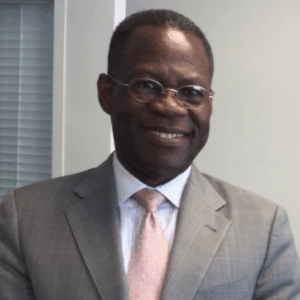 |
Moussa Ba, M.D., a national from Senegal, totals more than 40 years of experience in the field of mental health. He was the Chief of the Critical Incident Stress Management Unit (CISMU) of the Department of Safety and Security (DSS) of the United Nations (UN) since the creation of the Department in 2005 to the date of his retirement in December 2021. Prior to that he was appointed by UNICEF as a Program Officer in emergency countries in Western and Central Africa. He joined the United Nations Security Coordination Office (UNSECOORD) at the New York UNHQ in December 2002 as a Regional Stress Counsellor in charge for the West Africa region and DPKO Missions. Dr. Ba holds a M.D. from Cheikh Anta Diop University (Dakar Senegal), a Ph.D. in Psychiatry and Behavioral Sciences (Dakar University and Paris V France) and a master’s degree in international health (Track Epidemiology in Complex Emergency Settings) from Tulane University (New Orleans, USA). Dr. Ba also holds the UK National Certification on Hostage Negotiation from the Scotland Yard Metropolitan Police Training Center in Hendon, UK. He has worked as an associate professor of psychiatry and behavioral sciences at the Cheick Anta Diop University of Dakar and cumulatively head of a Psychiatric Division at the Fann University Hospital Centre of Dakar for 15 years. He received an award from President Chirac then Mayor of Paris for his work on Improving Mental Health at the International level (1994) and from President Clinton (1996) for his leadership on Improving Quality of Life in Africa.
|
Intergenerational Trauma and Resilience
Plenary Speaker:
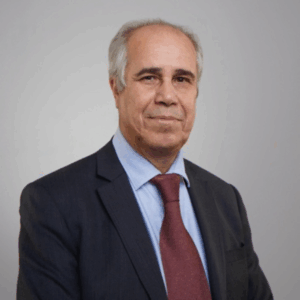 |
Driss Moussaoui, M.D. was the founder and chairman of the Ibn Rushd University Psychiatric Centre in Casablanca from 1979 to 2013. He was also director of the Casablanca WHO Collaborating Centre in Mental Health from 1992 to 2013. He was president of the Moroccan Society of Psychiatry and of the Arab Federation of Psychiatrists. He edited or co-edited 12 books and published more than 200 papers in international journals. He founded with the World Psychiatric Association (WPA) Executive Committee the Jean Delay Prize (1999) and is the scientific director of the WPA series “International Anthologies of Classic Psychiatric Texts” (French, German, Spanish, Italian, Greek and Russian). Driss Moussaoui is past-president of the World Association of Social Psychiatry (WASP, 2010-2013) and member of the French Academy of Medicine. He is WPA and WASP Honorary Member. He served as president of the World Federation for Psychotherapy from 2018 to 2023 and is currently an Advisor to the WFP Board of Directors.
|
Women as Survivors of Systemic Trauma: A Gendered Perspective
Moderator:
Nik Ruzyanei (Malaysia)
Plenary Speaker:
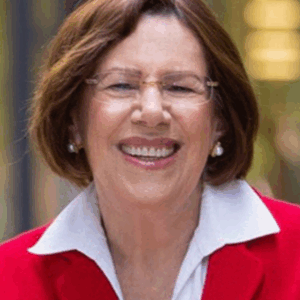 |
Vivian B. Pender, M.D., is Clinical Professor of Psychiatry at Weill Cornell Medical College and a Training and Supervising Psychoanalyst at Columbia University. Dr. Pender has mentored and taught medical students, graduate students, residents, fellows and post-graduates for thirty-five years. A Distinguished Life Fellow of the American Psychiatric Association, Dr. Pender served as the Trustee for New York to the Board of Trustees from (2014–2020). Since 1985, she has served in leadership roles in the APA on the Committee on Women, Committee on Private Practice, Legislative Committee, Public Affairs, Finance and Budget Committee and the APA Political Action Committee. She also served on groups that focused on parity, confidentiality, special delivery settings, education, psychotherapy, advocacy, litigation and funding, international psychiatry, and women’s mental health. She was a member of the APA Assembly, representing NY County from (2006-2014). At the United Nations, Dr. Pender represents the International Psychoanalytical Association and the American Psychiatric Association, both associations designated NGOs with Special Consultative Status. From (2007-2011 Dr. Pender was Chair of the NGO Committee on the Status of Women, a coalition of 100 non-governmental organizations affiliated with the UN. From 2015–19, she was Chair of the NGO Committee on Mental Health, also a coalition of NGOs with the UN. She is a registered consultant with the UN. She has produced four documentaries of conferences she organized at the United Nations on mental health, human rights, human trafficking and intergenerational transmission of violence. Since 2015, she has been a Special Advisor of the APA to the UN. Dr. Pender is a volunteer Asylum Evaluator with the Weill Cornell Center for Human Rights. She was a volunteer psychiatrist with Psychiatric Outreach to the Homeless. She is a volunteer with New York Cares and the Medical Reserve Corps. She served in medical missions in twenty countries in Africa. She has published journal articles and book chapters on pregnancy, affect, child abuse, sex trafficking, and leadership. In 2016, her book, The Status of Women: Violence, Identity and Activism, was published. She is currently working on two books entitled Healthcare Against Sex Trafficking: Law, Medicine and Social Justice, and Exploitation of Women and Children. One of her ongoing projects is to standardize a global psychiatry curriculum for graduate training.
|
Building the Evidence Base for Psychosocial Risk Management in Humanitarian Workforces
Moderator:
Amine Larnaout (Tunisia)
Plenary Speaker:
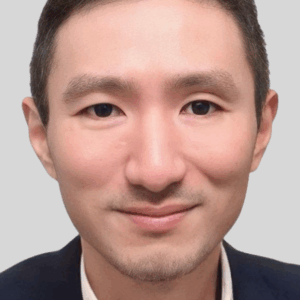 |
Alvin K. Tay, PhD is a Programme Management Officer for Psychosocial Well-Being in the United Nations Department of Safety and Security (UNDSS), New York. He is an Adjunct Professor of Clinical Psychology at Teachers College, Columbia University, and in the Discipline of Psychiatry and Mental Health, School of Clinical Medicine, University of New South Wales (Australia). Dr. Tay’s work sits at the intersection of global mental health, implementation science, and systems innovation, focusing on conflict-affected and displaced populations, women and children, Indigenous peoples, and humanitarian workforces. At the UN, he has developed technology-enabled assessment tools and data systems that underpin the organization’s first data-driven psychosocial well-being strategy for the security workforce across global duty stations. Previously, he spent over a decade in Australia and Southeast Asia—first as Senior Scientific Officer in the Southern Hemisphere’s largest public hospital network—directing applied research across Papua New Guinea, Timor-Leste, Malaysia, Bangladesh, Myanmar, and the Philippines, before completing a National Health and Medical Research Council (NHMRC) Clinical Fellowship. He co-founded the IC-ADAPT Consortium at Cambridge Public Health (University of Cambridge) to advance youth mental health; served as founding director and adjunct professor at the Centre for Global Health and Social Change, Perdana University–Royal College of Surgeons in Ireland (Malaysia, 2020–2022). He co-developed, tested, and scaled WHO PM+ and Integrative ADAPT Therapy (IAT) with numerous partners across the world, including UN agencies. A clinically trained psychologist, Dr Tay holds a PhD in Epidemiology & Biostatistics (UNSW) and completed postdoctoral training in clinical psychology at Columbia University. His scholarship includes more than 100 peer-reviewed papers, invited editorials and commissions, and editorial roles with Frontiers and Conflict & Health. As a clinician-researcher-educator, he has supervised and mentored undergraduate and graduate students from UNSW, NYU, Columbia, Harvard, and King’s College London across mental health, psychiatry, clinical psychology, population health, and computer science.
|
Safeguarding Mental Health in the UN Workplace: Strategic Priorities for Quality, Accountability, and Collaboration
Moderator:
Chaimaa Aroui (Morocco)
Plenary Speaker:
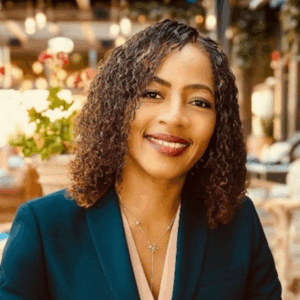 |
Nenna Ndukwe-Hertz serves as the UN System Workplace Mental Health & Wellbeing Strategic Lead. A Chartered Clinical and Forensic Psychologist and Scientist by training, she brings extensive international experience across managerial, research, and clinical roles. Her expertise spans trauma psychology, mental health programming and implementation, and strategic leadership of mental health and wellbeing initiatives. Nenna has served in diverse UN duty stations, including Iraq, Afghanistan, and South Sudan, contributing to the advancement of mental health support in complex humanitarian and operational contexts. Ndukwe-Hertz has authored and co-authored several publications in the fields of public health, trauma, and justice, and maintains a strong interest in evidence-based practice and cross-cultural psychotherapy approaches. Her work reflects a commitment to integrating scientific rigor with culturally responsive care in global mental health settings. Nenna is licensed by the Health and Care Professions Council (HCPC) in the UK and is a full member of the British Psychological Society (BPS).
|
Women Psychiatrists and the Future of Psychotherapy
Moderators:
Helen Niessen-Lie (Norway)
Daniela Polese (Italy)
Plenary Speakers:
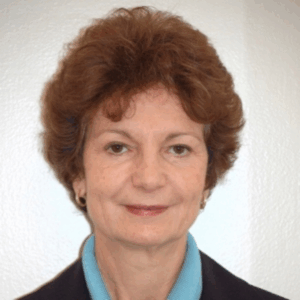 |
Silvia W. Olarte, M.D., is Distinguish Life Fellow of the American Psychiatric Association and Fellow of the American Academy of Psychodynamic Psychiatry and Psychoanalysis. She served as President of the Association of Women Psychiatrists and of the American Academy of Psychodynamic Psychiatry and Psychoanalysis. She is Clinical Professor of Psychiatry and Behavioral Sciences at New York Medical College, and Training and Supervising Psychoanalyst of the Psychoanalytic Institute at the same institution. Originally from Argentina and interested clinical transcultural psychiatry, she served the Latino population in New York City at Metropolitan Hospital where she was the Outpatient Department Director and Director of Psychiatry. She served in the American Psychiatric Association National Committees of International Medical Graduates, Hispanic Committee, and Women Committee. She chaired the task force on Educating Psychiatrists on Ethical Issues and on the former Council on National Affairs. She received the APA George Tarjan Award, the APA Alexandra Symonds Award , the APA Special Presidential Commendation and twice, the American Academy of Psychodynamic Psychiatry and Psychoanalysis Presidential Award. She has published on women’s issues, ethical issues, boundaries violations, psychodynamic treatment of deprived populations, and changes in psychodynamic practices. Professor Olarte serves on the Committee of the World Psychiatric Association Psychoanalysis in Psychiatry Section and on the Council of the World Federation for Psychotherapy.
|
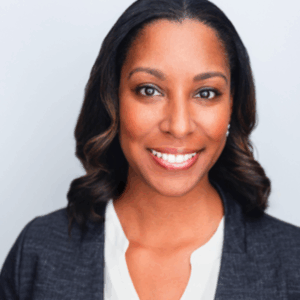 |
Nikole Benders-Hadi, M.D. is The President of the Association of Women Psychiatrists. She is a board-certified psychiatrist and Chief Medical Officer at Talkspace, where she leads Talkspace’s clinical practice, partnering with providers to deliver the highest quality digital mental health care. Dr. Benders-Hadi earned degrees from Johns Hopkins University, New York University School of Medicine and Columbia University. She has done research and writing on women’s mental health issues as well as recovery-focused treatment programs for individuals with serious mental illness. She believes passionately in reducing mental health stigma and improving access to care for individuals across the entire spectrum of behavioral health conditions using digital technology. Prior to joining Talkspace, Dr. Benders-Hadi served as Vice President and Medical Director of Behavioral Health at Included Health (formerly Grand Rounds Health and Doctor On Demand), a leading virtual care and navigation company. She also previously served as the Chief of Psychiatry at Rockland Psychiatric Center in New York.
|
Health Diplomacy and Mental Health in the Global Era
Moderator:
Ekaterina Sukhanova (USA)
Plenary Speakers:
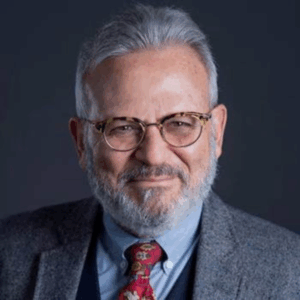 |
Dr. Ayman El-Mohandes, Dean of the City University of New York Graduate School of Public Health and Health Policy (CUNY SPH), is a pediatrician and public health academic with a deep commitment to public service. He is an established researcher in the field of infant mortality reduction in minority populations. Dr. El-Mohandes’ funded research focuses on population-based interventions in underserved communities both locally and globally. His publication record includes innovative approaches towards improving perinatal and neonatal outcomes in high-risk populations. Dr. El-Mohandes has been actively engaged in the response to Covid-19 here in New York City and around the world. Since the pandemic first struck in March 2020, his CUNY SPH team has been monitoring the experiences and perspectives of NYC residents through an ongoing tracking survey. He is also collaborating with an international consortium to assess and respond to Covid-19 vaccine hesitancy worldwide. His work in this domain has appeared in Nature Medicine, The Lancet, and the American Journal of Public Health. Dr. El-Mohandes has served as a senior consultant on multiple global health services and public health interventions funded by the U.S. Agency for International Development (USAID), the Asia Development Bank, and the Government of South Africa. These projects included the “Healthy Mother Healthy Child” program in Egypt to upgrade obstetric and neonatal services in the districts with the highest infant mortality, a “Health Services Program” in Indonesia, and establishing the first school of public health for black students in South Africa. CUNY SPH has undergone dramatic transformation since Dr. El-Mohandes became Dean in 2013.
|
 |
Dr. Joshi is Dean and a Distinguished University Professor of the School of Public Health of the University of Memphis. Dr. Joshi is an educator, researcher, administrator, and mentor and brings with him diverse experience of working across 12 countries, engaging community-based organizations, academic and other institutions, government agencies, policymakers and practitioners from diverse backgrounds. Dr. Joshi is a population health informatics researcher who combines his academic training in clinical medicine, public health, and informatics to design and develop human-centered, technology-enabled interventions to enhance population health outcomes across diverse community settings. He has extensive experience in utilizing community and hospital-based data to implement and evaluate informatics-enabled solutions to address social, economic, and health inequities of the 21st century. He has designed and developed, standalone and internet-enabled, multi-lingual, digital health interventions such as population health dashboards, consumer health informatics, m-health interventions, and population-based surveillance tools across multiple settings to improve population health outcomes. Dr. Joshi successfully completed more than two dozen research projects in the areas of population health informatics across multiple countries including the US, India, Nigeria, Bangladesh, Haiti, Egypt, and Brazil. Dr. Joshi emphasizes the role of higher education as a social economic agent of change towards building sustainable communities. Dr. Joshi’s innovative community engagement approach “Uplift” aims to create sustainable, multisector, accessible, affordable, reimbursable, and tailored initiatives for a collective, coordinated meaningful sustained impact across multiple sectors such as Health Department both at the County and the State levels, Memphis Shelby County School systems, Juvenile and Criminal Court, Neighborhood Community Centers, and Veteran Affairs to ensure that the Public health education can be translated into greater community impact. These partnerships have made significant community impact, and the UofM SPH in April 2024 was recognized nationally after being a recipient of the Association of Schools and Programs of Public Health (ASPPH) 2024 Harrison C Spencer Award for its outstanding community service. He led the efforts to get University of Memphis become United Nations Academic Institute partner. Prior to Dr. Joshi coming to Memphis, he was a founding member of the CUNY SPH.
|
 |
Victoria Ngo, Ph.D. is Professor of Community Health and Social Sciences at the City University of New York Graduate School of Public Health & Health Policy (CUNY SPH), Director of the Center for Innovation in Mental Health at CUNY SPH, and Mental Health Director of the Center for Immigrant, Refugee and Global Health at CUNY. She also holds an Adjunct Scientist position at the RAND Corporation. Her research focuses on developing mental health interventions and implementation strategies to promote access and quality of care to ethnic minorities and underserved populations worldwide. She specializes in implementation strategies for mental health task-sharing and use of community participatory methods to increase access to evidence-based mental health interventions and sustainable integration of mental health services into non-mental health settings including primary care, maternal health, HIV, cancer care, schools, and other community-based settings. She has led several NIH and Grand Challenges of Canada funded task-shifting implementation science intervention studies, including the Multi-Component Collaborative Care for Depression (MCCD), Livelihood Integration for Effective Depression Management (LIFE-DM), and currently leading a randomized controlled study of scale-up models for depression care integration into primary care clinics in Vietnam. As part of system transformation initiatives to address health inequities at NIH and RWJF, she is leading the Harlem Strong Mental Health and Economic Empowerment Collaborative to transform systems of care using a neighborhood-based collaborative care model to support integrating mental health and community-based services in housing, primary care, and community-based organization in Harlem.
|
 |
Norman Sartorius M.D., Ph.D. is a psychiatrist and university professor. Professor Sartorius is a former director of the (WHO) Division of Mental Health, and a former president of the World Psychiatric Association and of the European Psychiatric Association. He became a professor at the University of Geneva in 1993. Sartorius also held professorships at the University of Zagreb and University of Prague. He has worked as an honorary visiting or adjunct professor at the University of London, Pierre and Marie Curie University in Paris, the University of Beijing, Washington University in St. Louis, New York University, University of Belgrade and University of Florida. He is a senior faculty member at the Johns Hopkins School of Public Health in the Mental Health Department. Between 1961 and 2022, Sartorius published more than 500 papers in peer reviewed journals and more than 800 technical contributions, prefaces to books, interviews and brief articles. He has authored, co-authored or edited more than 120 books.
|
Congress Topics:
- Caring for Refugees, Displaced Persons and Asylum Seekers
- Stigma and Discrimination
- 2SLGBTQIA+ affirmative psychotherapies
- Caring for Survivors of Natural Disasters
- Caring for Survivors of Torture and Terrorism
- Climate Change
- Suicide Prevention
- Human Rights
- Women’s Rights
- Children’s Rights
- Bioethics
- Psychotherapy with the Medically Ill
- Psychotherapy with Persons with Disabilities
- Psychotherapy with Persons with Sensory Impairment
- Psychotherapy with persons living with HIV
- Caring for Humanitarian Relief Workers
- Prevention of Burnout and Moral Injury
- Caring for Healthcare Professionals
- Trauma-Focused Psychotherapies
- CBT
- Third-Wave Therapies
- Psychoanalysis and Psychodynamic
- Psychotherapy
- Motivational Interviewing
- Interpersonal Therapy
- Supportive Psychotherapy
- Mindfulness
- Humanistic Therapies
- Hypnosis
- EMDR
- Ketamine and Psychedelic Assisted Psychotherapy
- Brief Psychotherapies
- Group Psychotherapy
- Balint Groups for Healthcare Professionals
- Family and Couple Therapy
- Psychosocial Therapies
- Computer-Assisted Therapies
- Tele-psychotherapy
- Culturally Adapted Psychotherapies
- Combined/integrated Psychotherapies
- Psychotherapy Outcomes
- Psychotherapy Research
- Psychotherapy and Neuroscience
- Parent-Infant Psychotherapy
- Psychotherapy with Children and Adolescents
- Psychotherapy in Late Life
- End-of-Life and Palliative Care Psychotherapies
- Psychotherapy and Primary Care
- Psychotherapy, Culture and Society
- Religion and Spirituality
- Psychotherapy and Public Health
- Liaising with NGOs to Promote Mental Health
- Psychotherapy at the Workplace and Employee Assistance Programs
- Psychotherapy and Student Mental Health
- Delivering Psychotherapy in underserved Areas of the World